




What Is a Seed Phrase? Beginner’s Guide to Wallet Safety
If you’re new to crypto, you’ve probably seen a wallet ask you to “write down your seed phrase.”
This might look like a random list of 12–24 words, but it is actually the master key to your crypto wallet. If you understand what a seed phrase is and how to protect it, you can avoid most beginner security mistakes.
Seed Phrase Definition (Plain English)
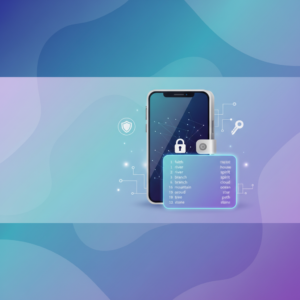
A seed phrase is a list of 12–24 simple words that acts like a backup key for your crypto wallet.
If you lose your phone, delete your wallet app, or your hardware wallet breaks, you can use this phrase to restore your wallet and access your coins on a new device.
Other common names for a seed phrase are:
- Recovery phrase
- Backup phrase
- Secret recovery phrase
- Mnemonic phrase
All of these mean the same thing: a human-readable way to back up and restore your wallet.
Why Seed Phrases Matter
Crypto is different from a bank account. There is usually no “forgot password” support that can restore your wallet for you.
Your seed phrase is what lets you:
- Recover access if your device is lost, stolen, or damaged
- Move your wallet between different wallet apps and devices
- Stay in control of your funds without relying on a company or exchange
Whoever has the seed phrase can control all assets in that wallet. That includes you — and anyone else who manages to get a copy.
How a Seed Phrase Works (Step by Step)
Under the hood, seed phrases are based on strong cryptography, but you don’t need to understand the math. Here’s the beginner-friendly version.
- You create a new wallet.
When you set up a non-custodial wallet (like a browser wallet, mobile wallet, or hardware wallet), the software randomly generates a very large, secret number. This number is the starting point for all your wallet’s keys. - The wallet turns that number into words.
Instead of asking you to back up a long string of random characters, the wallet converts it into a list of 12–24 words chosen from a fixed dictionary (often 2,048 words). This list is your seed phrase. - Your wallet creates private and public keys.
From the seed phrase, the wallet can generate many private keys and addresses. Each address can hold crypto. All of them trace back to the same seed phrase. - You back up the seed phrase.
The wallet app shows you the words once (or asks you to confirm them). You’re expected to write them down and store them offline somewhere safe. - Later, you can restore your wallet.
If you install the same wallet — or a compatible one — on a new device, you can choose “Import wallet” or “Restore wallet” and enter the seed phrase. The app then recreates all the same keys and addresses, so your funds appear again.
Important: your crypto is recorded on the blockchain, not “inside” the app. The seed phrase simply gives a wallet app the information it needs to prove ownership of those funds.
Real-World Examples and Use Cases
Example 1: Lost Phone, Funds Recovered
Alex stores some ETH and tokens in a mobile wallet. One day, their phone is stolen. They buy a new phone, install the same wallet app, choose “Restore with seed phrase”, type in the 12 words they wrote down earlier, and regain full access to their funds.
Example 2: Moving from One Wallet App to Another
Jordan starts with Wallet A but later prefers Wallet B because of a better interface. Instead of sending funds around, Jordan simply imports the same seed phrase into Wallet B. The same addresses and balances appear, because both apps can derive the same keys from the phrase.
Example 3: Hardware Wallet Damaged
Sam uses a hardware wallet that falls into water and stops working. During setup, Sam wrote the 24-word seed phrase on paper and kept it in a safe. Sam buys a new hardware wallet and restores it using the same phrase. The funds are accessible again.
Benefits and Limitations of Seed Phrases
Benefits
- Simple backup: Instead of backing up many private keys, you only need to protect one list of words.
- Portability: You can restore your wallet on different devices and compatible wallet apps using the same phrase.
- User control: Seed phrases enable true self-custody. You don’t depend on a company to hold or recover your keys.
- Standardization: Many wallets follow shared standards (like BIP-39) so that the same seed phrase can be recognized across multiple wallets.
Limitations and Risks
- Single point of failure: If someone else gets your seed phrase, they can take everything in that wallet.
- No reset button: If you lose the phrase and your wallet, there’s usually no way to recover your funds.
- Human mistakes: People sometimes store seed phrases in unsafe ways, like screenshots, cloud storage, or email, which are easier to hack.
- Physical damage: Paper backups can be lost in fire, water, or decay if not protected properly.
How to Store a Seed Phrase Safely
Here are some beginner-friendly best practices:
- Write it down by hand. Use pen and paper. Don’t keep it only on your phone or computer.
- Store it offline. Avoid saving it in cloud drives, email, note apps, or chat messages.
- Keep multiple secure copies. For larger amounts, consider two or more copies stored in different safe places (like a home safe and a bank deposit box).
- Consider durable backups. For long-term storage, some people engrave or stamp their seed phrase onto metal plates that resist fire and water.
- Never share it with anyone. No support staff, friend, or stranger online should ever ask for your seed phrase. If they do, it’s a red flag.
Common Beginner Misconceptions
1. “It’s just a password, I can reset it later.”
Unlike a website password, there is usually no central company that can reset your seed phrase for you. If you lose it and can’t access your wallet, your funds may be permanently inaccessible.
2. “The wallet company can recover my funds if I lose the phrase.”
Non-custodial wallets are designed so that only you hold the keys. Most wallet providers cannot see or restore your seed phrase. That’s what gives you control, but it also places responsibility on you.
3. “If someone knows my seed phrase, they still need my PIN or password.”
In most cases, your PIN or app password only protects the device or app. The seed phrase itself is enough to recreate the wallet and move funds elsewhere. Treat the phrase as more sensitive than any PIN.
4. “I should type my seed phrase into any website that asks to ‘check’ my wallet.”
Legitimate services will never ask you to enter your full seed phrase into a random website, form, or support chat. That is almost always a scam.
How Seed Phrases Fit Into the Web3 Ecosystem
Web3 aims to give users more control over their assets, identity, and data. Seed phrases are one of the core building blocks that make this possible.
- Self-custody: In Web3, you can hold your own assets instead of relying only on centralized exchanges. Seed phrases enable this by giving you a way to manage your own keys.
- Interoperability: The same seed phrase can be used with multiple wallets and apps that support the same standards. This lets you explore different tools without creating a new account everywhere.
- Access to dApps: With a wallet backed up by a seed phrase, you can connect to decentralized apps (dApps), DeFi protocols, NFT marketplaces, and more.
- Ownership beyond money: Seed phrases don’t just control tokens; they can also control NFTs, governance rights, and other digital assets linked to your wallet.
At the same time, seed phrases highlight one challenge of Web3: you are responsible for security. There is no easy support ticket if you lose your backup.
What to Explore Next
If you now understand what a seed phrase is, good next steps include:
- Types of crypto wallets: Learn the difference between custodial and non-custodial wallets, and between hardware, mobile, browser, and desktop wallets.
- Private keys and public addresses: See how they relate to your seed phrase and how transactions are signed.
- Common crypto scams: Study examples of phishing and fake support scams that try to trick users into revealing their seed phrases.
- Wallet security checklists: Explore step-by-step guides to securing your first wallet before you move significant funds.
On Crypto Beacon, look for beginner guides on wallets, key management, and Web3 security basics to continue building a strong foundation.
FAQ: Seed Phrases for Beginners
1. Is a seed phrase the same as a private key?
No. A private key is a long string of characters that controls one specific address. A seed phrase is a list of words from which many private keys and addresses can be generated. Think of the seed phrase as the “master key” and private keys as “individual keys” derived from it.
2. What happens if I lose my seed phrase?
If you still have access to your wallet app and can see your funds, you may be able to create a new wallet and move your coins there. But if you lose both the wallet (for example, your phone breaks) and the seed phrase, there is usually no way to recover your funds. That’s why backing it up safely is critical.
3. Can I store my seed phrase as a screenshot or in cloud storage?
It’s strongly discouraged. Screenshots, email, and cloud notes can be hacked, leaked, or accessed if someone gets into your accounts. A safer approach is to write the phrase on paper or store it on a physical medium that is kept offline and in a secure location.
4. Who creates my seed phrase, and can I change it?
Usually, your wallet software generates the seed phrase randomly during setup. You can’t “edit” an existing phrase, but you can always create a new wallet (with a new phrase) and move your funds to it if you want to rotate or upgrade your security.
5. How many words should my seed phrase have?
Most modern wallets use 12 or 24 words. Both are designed to be very secure when generated correctly. Follow your wallet’s default setting unless you have a specific reason and know what you are doing.
Conclusion: Key Takeaways
A seed phrase is a simple list of words with huge importance. It is the master key to your crypto wallet and everything inside it.
- It lets you recover your wallet if your device is lost or damaged.
- It gives you control of your funds without relying on a middleman.
- It must be stored securely and never shared with anyone.
If you remember one thing from this guide, make it this: protect your seed phrase as carefully as you would protect a safe full of cash. Doing that alone will prevent many common crypto disasters for beginners.