





What Is a Hardware Wallet and Why Does It Matter?
In the world of cryptocurrency, security is the top priority for most users. If you leave your digital assets on an exchange or in a software wallet connected to the internet, they may be vulnerable to hacks, phishing attacks, or platform failures. This is where a hardware wallet comes in.
A hardware wallet is widely considered the gold standard for keeping cryptocurrency safe. Unlike a traditional physical wallet that holds cash, a hardware wallet protects the digital keys needed to access your funds. It creates a barrier between your assets and the internet, making it significantly harder for malicious actors to steal your crypto.
Hardware Wallet Explained: A Simple Definition
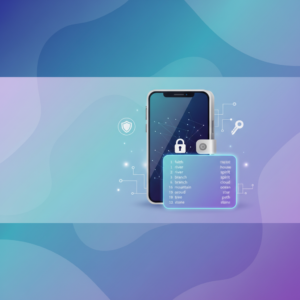
A hardware wallet is a physical electronic device, often resembling a USB stick or a car key fob, designed to store your cryptocurrency’s private keys offline. This method of storage is known as “cold storage.”
To understand why this is important, you first need to understand private keys. In crypto, your assets live on the blockchain network, not inside your wallet. Your private key is like a secret password or digital signature that proves you own those assets and allows you to move them. If someone else gets your private key, they can take your funds. A hardware wallet keeps this key isolated inside the device, ensuring it never touches the internet where it could be copied by hackers [ledger.com].
How Do Hardware Wallets Work?
Using a hardware wallet might seem intimidating at first, but the logic is straightforward. Here is a step-by-step breakdown of how it functions during a transaction:
- Setup and Initialization: When you first set up the device, it generates a random string of data that becomes your private keys. It also gives you a “seed phrase” (usually 12 to 24 words). This phrase is your master backup [blog.willcosgrove.com].
- Initiating a Transaction: You connect the device to a computer or smartphone and open a companion app (interface). You enter the details of the transaction, such as the amount and the recipient’s address.
- Offline Signing: This is the crucial security step. The app sends the transaction data to your hardware wallet. The hardware wallet signs the transaction internally using your private key. Since the device is a separate environment, your private key never leaves the device or appears on your computer screen [coinbureau.com].
- Broadcasting: The signed transaction is sent back to the computer, which then broadcasts it to the blockchain network to be processed. The computer acts only as a messenger; it cannot change the transaction or see the keys.
Real-World Examples and Use Cases
Hardware wallets are versatile tools in the Web3 space. Here is how they are commonly used:
Long-Term Savings (HODLing)
The most common use case is storing large amounts of cryptocurrency that you do not plan to trade frequently. Just as you wouldn’t carry your life savings in your back pocket, you shouldn’t keep large crypto holdings in an online app. A hardware wallet acts like a personal bank vault.
DeFi and NFT Interaction
Advanced users connect their hardware wallets to decentralized finance (DeFi) apps or NFT marketplaces. Instead of creating a new, less secure wallet for these websites, they use the hardware wallet to sign permissions securely. This prevents “drainer” hacks often found on malicious websites from easily accessing your main funds without your physical confirmation on the device.
Benefits and Limitations
While hardware wallets offer superior security, they have pros and cons that beginners should weigh.
Benefits
- Maximum Security: By keeping private keys offline, they are immune to computer viruses and remote hackers [coinbase.com].
- Self-Custody: You have full control. No bank or exchange can freeze your account or block your access.
- Physical Verification: Transactions cannot be sent unless you physically click buttons on the device, preventing remote theft.
Limitations
- Cost: Unlike free software wallets, hardware wallets cost money (typically $50 to $150+).
- Convenience: To send funds, you must have the physical device with you. This makes it less convenient for quick, on-the-go payments [blog.casa.io].
- User Responsibility: If you lose your recovery seed phrase, there is no “forgot password” button. Your funds could be lost forever.
Common Beginner Misconceptions
There are several myths about hardware wallets that can confuse new users.
- Myth: “My crypto is stored inside the device.”
Reality: Your crypto lives on the blockchain network. The device only holds the keys (passwords) to unlock them. If you destroy the device, the crypto is still safe on the blockchain [coinbureau.com]. - Myth: “If I lose the device, I lose my money.”
Reality: As long as you have your recovery seed phrase (the 12-24 words you wrote down during setup), you can buy a new device, enter the words, and regain access to all your funds. - Myth: “Hardware wallets never get hacked.”
Reality: While extremely secure against remote hacks, they can be vulnerable if a skilled attacker gets physical access to the device or if you are tricked into signing a malicious transaction (phishing).
How This Fits Into the Web3 Ecosystem
In the broader Web3 ecosystem, a hardware wallet is your digital identity and anchor. It allows you to interact with decentralized applications (dApps), games, and financial protocols without trusting them with your private keys. It represents the core Web3 principle of “sovereignty”—the idea that individuals should own and control their data and assets without intermediaries.
Conclusion
A hardware wallet is an essential tool for anyone serious about protecting their cryptocurrency. It bridges the gap between digital convenience and physical security, ensuring that your private keys remain offline and out of reach of hackers. While it requires a small investment and a commitment to responsible backup practices, the peace of mind it offers is invaluable. Remember, in crypto, “not your keys, not your coins”—and a hardware wallet is the best way to ensure those keys belong only to you.
Frequently Asked Questions (FAQ)
1. Do I need a hardware wallet for small amounts of crypto?
If you only hold a small amount that you are willing to lose (like pocket money), a reputable software wallet might be sufficient. However, as your portfolio grows to an amount that would be painful to lose, investing in a hardware wallet is highly recommended.
2. What happens if my hardware wallet breaks or gets stolen?
Your funds remain safe on the blockchain. You can restore access to them by entering your recovery seed phrase (the 12-24 words backed up on paper) into a new hardware wallet or even a compatible software wallet.
3. Can I use a hardware wallet with my phone?
Yes, many modern hardware wallets support Bluetooth or use cables to connect with Android and iOS smartphones, allowing you to manage your crypto on the go while keeping keys offline [ledger.com].
4. Which coins can I store on a hardware wallet?
Most popular hardware wallets support thousands of different cryptocurrencies, including Bitcoin, Ethereum, and Solana. However, you should check the manufacturer’s website to ensure your specific coins are supported before buying.