




What Is a Web3 Wallet? A Beginner’s Guide to the Decentralized Web
If you are exploring the world of cryptocurrency or blockchain, you have likely encountered the term “Web3 wallet.” It is one of the most important tools you will use, yet it can be confusing for newcomers. Is it like a bank account? Is it an app? Is it a physical device?
Understanding this tool is the first step to navigating the new version of the internet. A Web3 wallet does more than just hold digital money; it acts as your digital identity and your key to accessing decentralized applications. This guide will explain exactly what it is in simple terms.
What Is a Web3 Wallet?
In plain English, a Web3 wallet is a digital tool that allows you to store, send, and receive digital assets like cryptocurrency and NFTs. Unlike a traditional leather wallet that holds physical cash, a Web3 wallet stores the access keys to your funds which live on the blockchain [bitpanda.com].
Think of it as your “login” for the decentralized web. In the traditional web (Web2), you log in to websites using a username and password managed by companies like Google or Facebook. In Web3, you connect your wallet. This gives you full control over your data and assets without relying on a middleman.
Most Web3 wallets are non-custodial. This means you are the only person who can access your funds. There is no bank or tech company that can freeze your account or reset your password if you forget it [kraken.com].
How It Works: The Keys to Your Castle
To understand how these wallets work, you do not need to be a computer scientist. You just need to understand three core concepts: the Public Address, the Private Key, and the Seed Phrase.
1. Public Address (The Mailbox)
This is a long string of random numbers and letters. It acts like your email address or bank account number. You can safely share this with anyone when you want them to send you money or NFTs. It allows people to deposit assets into your wallet, but not take them out.
2. Private Key (The Password)
Matches perfectly with your public address. This key is used to “sign” transactions, proving that you are the owner of the wallet. You should never share your private key with anyone. If someone gets your private key, they have total control over your funds [algorand.co].
3. Seed Phrase (The Master Key)
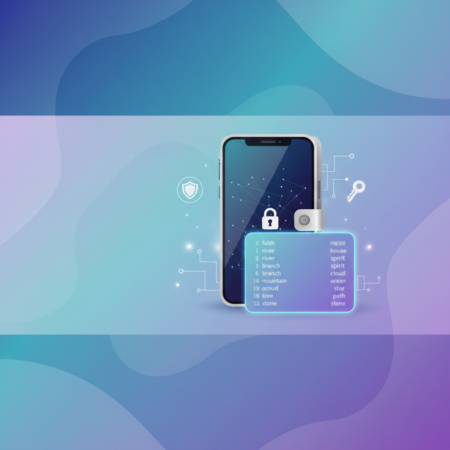
When you set up a wallet, you are given a list of 12 to 24 random words, called a “seed phrase” or “recovery phrase.” This is your emergency backup. If you lose your phone or computer, entering these words into a new device will restore your entire wallet. Safeguarding this phrase is the most important rule of Web3 [academy.binance.com].
Real-World Examples and Use Cases
Web3 wallets enable you to do much more than just send Bitcoin to a friend. Here are a few ways they are used today:
- Connecting to dApps: You can “connect” your wallet to a decentralized exchange to swap tokens without creating an account.
- Digital Collectibles: Wallets allow you to buy, store, and display NFTs (Non-Fungible Tokens), such as digital art or music.
- Gaming: In blockchain gaming, your wallet holds your in-game items (like swords or skins) as assets that you actually own and can sell [medium.com].
- Decentralized Finance (DeFi): You can lend your crypto to earn interest or borrow assets directly from a protocol, bypassing traditional banks.
Benefits and Limitations
Taking control of your own assets offers freedom, but it comes with responsibility. Here is a balanced look at the pros and cons.
Benefits
- Self-Sovereignty: You own your assets. No bank can block your transactions.
- Privacy: You do not need to provide your name, address, or ID to create a wallet.
- Portability: You can access your funds from anywhere in the world with an internet connection.
Limitations
- No “Forgot Password”: If you lose your seed phrase, your funds are gone forever. There is no customer support to help you recover them.
- Learning Curve: Understanding gas fees (transaction costs) and network types can be tricky for beginners.
- Security Risks: Because you are in charge, you must be vigilant against scams and phishing links.
Common Beginner Misconceptions
There are a few myths about crypto wallets that often confuse new users:
Myth 1: “My crypto is stored inside the app.”
Truth: Your crypto lives on the blockchain network, not on your phone or computer. Your wallet simply holds the keys that allow you to move that crypto. If you delete the app but have your seed phrase, your money is safe.
Myth 2: “I cannot use a wallet if I lose my phone.”
Truth: Because your assets are on the blockchain, you can access them from any device as long as you have your seed phrase.
How This Fits Into the Web3 Ecosystem
The Web3 wallet is often described as a “passport” for the decentralized web. In the past, you needed a different account for every website you visited. In Web3, your wallet is your universal account.
When you visit a Web3 website, you simply click “Connect Wallet.” The site checks your public address to see what assets you own and lets you interact with the platform accordingly. It creates a seamless experience where your digital identity, reputation, and assets travel with you across different applications.
Conclusion
A Web3 wallet is your gateway to digital ownership. It shifts the power from large corporations to individual users, giving you full control over your financial assets and online identity. While it requires a new level of personal responsibility—specifically regarding your seed phrase—it opens the door to a new world of finance, gaming, and art.
Key Takeaway: Your wallet stores your keys, not your coins. Keep your seed phrase safe, never share it, and you will be ready to explore the exciting world of Web3.
Frequently Asked Questions (FAQ)
Is a Web3 wallet free to set up?
Yes, most software Web3 wallets (like MetaMask or Trust Wallet) are free to download and install. However, you will need to pay “gas fees” (network transaction fees) when you perform actions like sending money or buying an NFT.
What happens if I lose my private key?
If you lose your private key and your seed phrase, you will lose access to your funds permanently. Because there is no central authority, no one can recover them for you. This is why writing down your seed phrase and storing it offline is critical.
Can I hold Bitcoin and Ethereum in the same wallet?
It depends on the wallet. Some wallets are “multi-chain,” meaning they support different networks like Bitcoin, Ethereum, and Solana in one app. Others may only support a specific network. Always check which networks a wallet supports before transferring funds.
What is the difference between a hot wallet and a cold wallet?
A hot wallet is connected to the internet (like a mobile app or browser extension) and is convenient for daily use. A cold wallet (or hardware wallet) is a physical device kept offline, offering higher security for long-term storage.