




How to Choose a Safe Crypto Wallet
Protecting your cryptocurrency starts with the right wallet.how to choose a safe crypto wallet so you can store, transact, and manage digital assets with confidence. Whether you’re buying Bitcoin for the first time or managing a diversified crypto portfolio, the wallet you choose determines how resilient your funds are to theft, loss, and human error.
Why choosing a safe crypto wallet matters
Crypto gives you control of your assets, but with control comes responsibility. Wallet security determines who holds the private keys — and therefore who truly controls the funds. Learning how to choose a safe crypto wallet reduces the risk of hacks, phishing, lost seed phrases, and software vulnerabilities.
Key wallet types (and which is safest)
Understanding wallet categories helps you match security to use-case.
Hardware wallets (cold wallets)
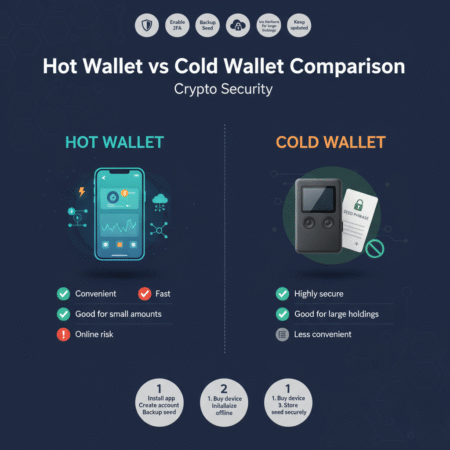
Hardware wallets store private keys on a dedicated device that stays offline. They are widely considered the safest option for long-term storage of significant funds.
- Pros: Strong protection against remote hacks, secure signing of transactions, recovery via a seed phrase.
- Cons: Cost, physical loss/theft risk, and occasional compatibility issues with lesser-known tokens.
Software wallets (hot wallets)
Software wallets run on desktops, mobile devices, or web browsers and are connected to the internet. They are convenient for daily use and trading but are more vulnerable to malware and phishing.
- Pros: Easy to use, usually free, support many tokens and DApps.
- Cons: Greater attack surface due to internet connectivity.
Popular options: Coinbase Wallet, MetaMask, Exodus.
Custodial wallets (exchange wallets)
With custodial wallets, a third party (like an exchange) holds your private keys. This sacrifices some control for convenience and customer support.
- Pros: Easy recovery, integrated trading, insurance policies for some platforms.
- Cons: Counterparty risk: if the provider is hacked or insolvent, you may lose funds.
Examples: centralized exchanges such as Coinbase, Binance (use cautiously).
Step-by-step: How to choose a safe crypto wallet
Follow these practical steps to pick the right wallet for your needs.
- Define your use-case
- Active trading and small daily amounts: a secure hot wallet or custodial account may be fine.
- Long-term storage of large amounts: prioritize a hardware (cold) wallet.
- Interacting with DeFi or NFTs: use a reputable software wallet with strict security practices and separate funds between hot and cold storage.
- Check security features
Look for:
- Hardware-backed private key storage (for hardware wallets)
- Seed phrase generation and BIP32/BIP39/BIP44 standards
- Pin protection, passphrase (25th word), and secure element chips (e.g., Ledger’s secure element)
- Open-source firmware or audited code for software wallets
- Evaluate reputation and third-party audits
Search for independent security audits, company transparency, and a strong community track record. Trusted security reporting from industry sources can reveal past vulnerabilities and how quickly they were fixed. See security pages from manufacturers like Ledger or vendor advisories on Trezor’s blog.
- Consider backup and recovery options
Every wallet should provide a recovery seed phrase. Ask:
- Is the seed displayed only on a device (not in the cloud)?
- Does the wallet support seed encryption, multisig, or passphrase protection?
- Plan for physical and operational security
- Do you have a secure place (safe or safety deposit box) to store the device or written seed?
- Who else (if anyone) should have access in case of emergency? Consider a multisig or legal arrangements.
- Test with a small amount first
Before moving large sums, practice sending and receiving small test amounts to verify workflows and compatibility.
Practical example: Choosing between Ledger (hardware) and MetaMask (software)
Scenario: You hold $50,000 in crypto and use DeFi occasionally.
- Primary storage: Ledger hardware wallet for the majority of funds (cold storage).
- Active funds: a separate MetaMask software wallet for interacting with DApps; only keep smaller amounts there.
- Transfer process: use the Ledger Live app or connect the Ledger to MetaMask when you need to sign transactions — this provides secure signing without exposing private keys.
This split approach balances security and convenience.
Security checklist: Best practices when you own crypto
- Never share your seed phrase or private keys.
- Buy hardware wallets only from official vendors to avoid tampered devices.
- Enable two-factor authentication (2FA) for accounts related to your crypto (exchanges, email).
- Use passphrases (additional BIP39 words) or multisig for higher security where supported.
- Keep firmware and wallet software up to date, but verify updates on official sites first.
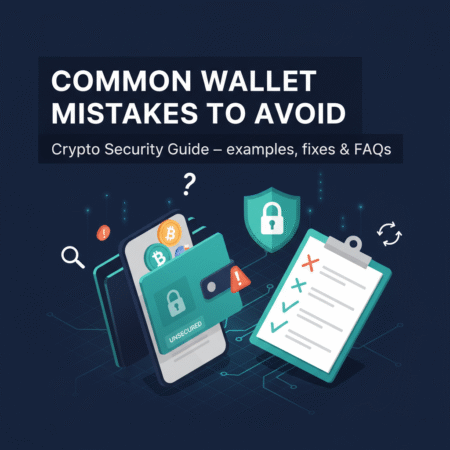
- Beware of phishing: always verify URLs and never enter your seed phrase into a website.
Common attacks and how to defend against them
Phishing and fake wallet sites
Fake websites and browser extensions try to trick users into exposing seed phrases. Defend by bookmarking official pages and verifying domain names. Use hardware wallets for transaction signing where possible.
Malware and clipboard hijacking
Malware can modify addresses copied to your clipboard. Verify addresses on a hardware device display or paste addresses into a text editor and compare carefully.
Physical theft and tampering
Buy devices from official channels and check packaging. Record serial numbers and keep devices in secure locations.
Advanced options: Multisig, air-gapped signing, and institutional solutions
If you hold large sums or manage funds for others, consider:
- Multisignature wallets (multisig): Require multiple keys to sign a transaction, reducing single-point failures.
- Air-gapped signing: Sign transactions on a device that is never connected to the internet.
- Custodial and insured solutions: For institutions, regulated custodians may offer insured custody (evaluate counterparty risk carefully).
Helpful resources (authoritative)
For further reading and official guidance, see:
- Ledger — Security
- Trezor — Security
- Coinbase Learn — What is a crypto wallet?
- Consensys — Security guides
Internal links
Related posts on this site:
- What is Cold Storage?
- How to Set Up a Hardware Wallet (Step-by-Step)
- Hardware vs Software Wallets: Full Comparison
FAQs — how to choose a safe crypto wallet
Q: Is a hardware wallet always the safest option?
A: For long-term storage of significant funds, hardware wallets are generally the safest because private keys are stored offline. However, safety depends on correct setup, secure backup of the seed phrase, and buying devices from official channels.
Q: Can I store crypto on an exchange?
A: Yes, exchanges provide custodial wallets that are convenient for trading, but they carry counterparty risk. For long-term holdings or large balances, consider moving funds to a non-custodial hardware wallet.
Q: What is a seed phrase and why is it important?
A: A seed phrase (or recovery phrase) is a human-readable list of words that encodes your private keys. It is your only backup; anyone with access to it can control your funds. Store it offline and never disclose it online.
Q: Should I write my seed phrase on paper or metal?
A: Use a durable method. Paper can degrade or be lost; metal seed backups (stamped or engraved) resist fire, water, and physical decay. Combine durability with secure storage (safe or bank vault).
Q: How often should I update wallet firmware?
A: Update when the wallet vendor releases security patches, but verify update instructions on official sites and avoid installing updates from links in unsolicited messages.
Conclusion
Knowing how to choose a safe crypto wallet is the first step to protecting your digital assets. Match wallet type to your needs, prioritize hardware or multisig for large holdings, follow best practices for seed backups, and stay vigilant against phishing and malware. Start by testing with small amounts, then move larger balances only after you’re confident in your setup.
Next steps: If you want to secure a significant amount of crypto, consider buying a reputable hardware wallet from an official vendor and reading our step-by-step setup guide: Set up a hardware wallet.